


Lagos, Nigeria
Nigerian Midstream and Downstream Petroleum Regulatory Authority (NMDPRA) CEO Farouk Ahmed Accused of Undermining Local Refining
Nigeria’s leading industrialist, Aliko Dangote, has publicly accused the Chief Executive Officer of the Nigerian Midstream and Downstream Petroleum Regulatory Authority (NMDPRA), Engr. Farouk Ahmed, of economic sabotage. The controversy centers on the alleged continuous issuance of excessive fuel import licences, which Dangote claims are specifically designed to cripple local refining.
Dangote spoke to journalists at the Dangote Petroleum Refinery. Immediately, he demanded that the Federal Government launch a full investigation into the NMDPRA chief’s actions. Indeed, he claims these actions deliberately undermine Nigeria’s domestic petroleum refining efforts and favor international players.
The industrialist pointed to the continuous approval of fuel import licences as the core issue. Consequently, he alleged that the NMDPRA leadership works in concert with international oil traders and fuel importers. They want to frustrate local refining capacity. This situation makes the operating environment hostile for new refineries, including those trying to expand or start operations.
“I am not asking for his removal; I am asking for a transparent investigation. He must explain his actions and prove his office has not been compromised. Clearly, what we are witnessing amounts to economic sabotage,” Dangote asserted, stressing the need to protect national economic interests over private ones.
Serious Allegations: Compromise and Financial Misconduct in the NMDPRA
The industrialist raised serious concerns about the regulatory oversight’s integrity and transparency in the downstream petroleum sector. The actions of the Nigerian Midstream and Downstream Petroleum Regulatory Authority under Ahmed’s leadership, he argued, directly contradict the nation’s push for energy self-sufficiency.
Key Allegations Against NMDPRA Leadership:
- Undermining Domestic Refining: The agency grants excessive import licences. Therefore, this weakens the viability of local producers, including the massive Dangote facility.
- Collusion with Traders: The leadership works with international oil traders and fuel importers. Ultimately, they maintain Nigeria’s dependence on fuel imports, despite huge investments in local capacity.
- Financial Misconduct: Dangote claimed the NMDPRA CEO lives beyond his legitimate income. This suggests a possible compromise of the office, warranting a deeper probe into the agency’s operations.
Dangote stressed a critical need: Regulators must separate their duties from commercial activities. Otherwise, allowing traders to influence regulatory decisions will severely erode confidence and stability in the sector.
“The downstream industry must not be sacrificed to personal interests. A trader should never act as a regulator. Dozens of licences have been issued, yet no new refineries are emerging. This is because the operating environment is hostile,” he added, citing the negative impact on potential investors.
However, despite criticizing the regulatory environment, Dangote offered good news to Nigerian consumers regarding fuel prices. This move provides a tangible benefit of the local refining capacity he seeks to protect.
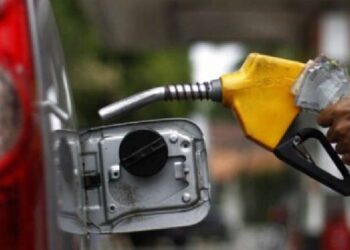
He announced a further reduction in the pump price of Premium Motor Spirit (PMS). He assured citizens that the price will not exceed N740 per litre. The reduction will start tomorrow in Lagos, with ripple effects expected across the country.
This price cut follows the Dangote Refinery’s decision. Specifically, the refinery cut its gantry price to N699 per litre. MRS filling stations will likely be the first to reflect the new, lower pricing. This move demonstrates a direct benefit of increased domestic refining and puts pressure on importers.
The Federal Government and the Nigerian Midstream and Downstream Petroleum Regulatory Authority (NMDPRA) have not yet issued an official response to the serious allegations of economic sabotage and financial impropriety levelled against the agency’s CEO, Engr. Farouk Ahmed. The lack of immediate comment fuels speculation regarding the internal review process.