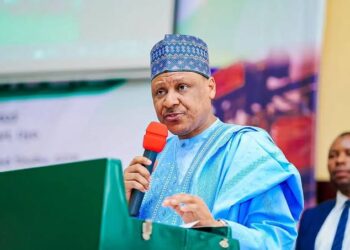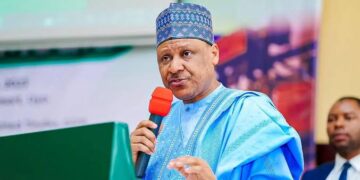


Abuja, Nigeria – Amb. Abdullahi Bakoji Adamu, Country Director of the International Human Rights Commission (IHRC), Nigeria Chapter, has issued a stern caution. His warning concerns the use of presidential emergency powers. Specifically, he says these powers must not override the mandate freely given to elected officials by the people.
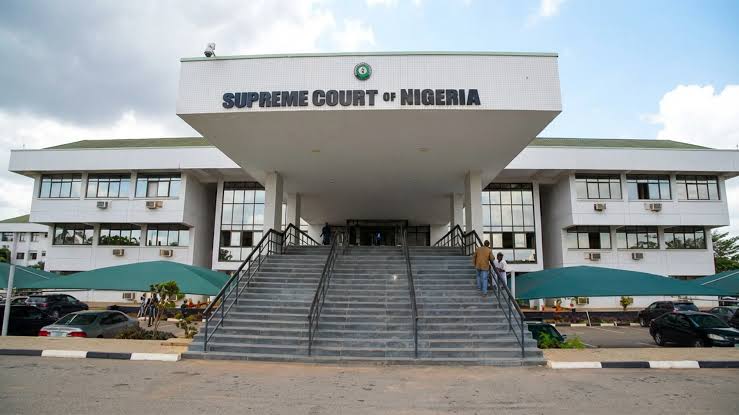
This reaction follows a recent Supreme Court ruling. The ruling affirmed the President’s authority to proclaim a state of emergency. Importantly, this includes the power to remove elected officials. Bakoji Adamu described the judgment as one that requires caution and strong constitutional safeguards.
The human rights advocate acknowledged that the Supreme Court’s decision has a positive aspect. He admitted that emergency powers are necessary in constitutional democracies.
“There is no doubt that emergency powers are recognised within constitutional systems,” he stated. They exist to help government respond swiftly to serious threats. Examples include insecurity, breakdown of public order, or national emergencies.
Therefore, he noted, the Court’s ruling may strengthen the executive’s capacity. It helps them maintain stability in times of crisis.
However, Bakoji Adamu emphasized that democracy requires more than decisive executive action. It demands respect for the rule of law and the will of the electorate.
- Risk to Authority: The removal of duly elected officials through emergency proclamation raises serious concerns.
- Source of Power: Elected leaders get their authority from the people.
- Need for Justification: Any action that suspends or removes that mandate must be treated with extreme caution. Consequently, strong legal justification must always support the action.
Separation of Powers and Constitutional Safeguards
The IHRC Country Director highlighted a core principle: the separation of powers. He warned that Presidential emergency powers inherently grant enormous authority to the executive. This creates a real risk of imbalance.
“Without clear limits on duration, scope, and oversight, the executive risks undermining the legislature,” he explained. Furthermore, this reduces judicial scrutiny.
Crucial Safeguards Demanded by IHRC:
- Proportionality: Emergency measures must fit the threat.
- Time-Bound: They must have clear limits on how long they last.
- Effective Oversight: The legislature and judiciary must effectively supervise their use.
Bakoji Adamu concluded that the central issue is the safeguards that accompany the use of power. Emergency measures should never become a substitute for constitutional processes or democratic governance.
“Emergency powers must remain exceptional, accountable, and always focused on the public interest,” he asserted. Ultimately, he warned that the ruling risks weakening democracy if safeguards are absent. This would narrow democratic space and undermine public confidence in democratic institutions.