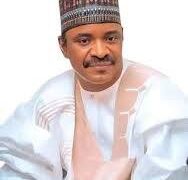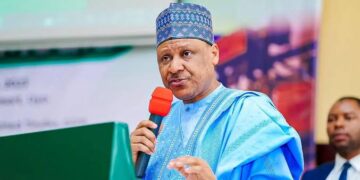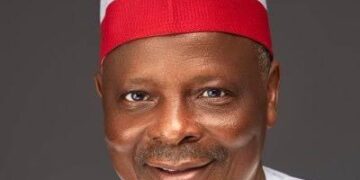


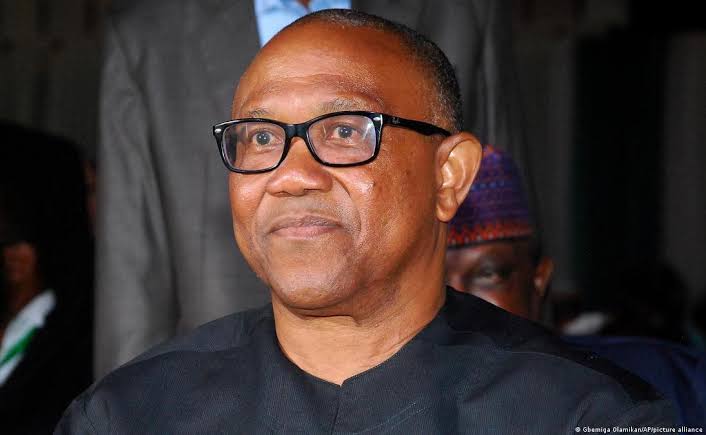
Former Anambra State governor Peter Obi has criticised the Federal Government’s 2026 borrowing plan, describing it as reckless and poorly timed. He warned that the proposal could worsen hardship, insecurity, and unemployment across Nigeria.
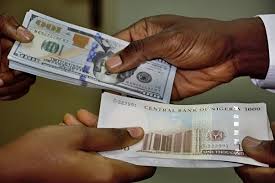
According to official documents, the Federal Government plans to raise new loans from ₦10.42 trillion in 2025 to ₦17.89 trillion in 2026. This represents a 72 per cent increase in borrowing within one year.
The plan appears in the Abridged Budget Call Circular issued by the Ministry of Budget and Economic Planning. However, the document also shows that government revenue remains far below spending needs. As a result, the budget deficit continues to widen.
Meanwhile, projections indicate that debt servicing will consume nearly half of Nigeria’s total revenue in 2026. Obi said this trend leaves little room for development spending.
Reacting in a statement posted on X on Friday, Obi said the borrowing plan raises serious concerns about transparency and fiscal discipline.
“Nigerians woke up again to troubling news that the Federal Government plans to borrow almost ₦20 trillion to fund the 2026 budget,” he said.
Obi Questions Budget Implementation
In addition, Obi questioned why the government is discussing fresh loans when earlier budgets remain unimplemented.
“Where is the revenue from 2025?” he asked. “How can we plan trillions in new borrowing for 2026 when the 2024 budget is still running?”
He also said the 2025 budget appears largely untouched, which makes the push for more borrowing difficult to justify.
Furthermore, Obi warned that excessive borrowing places a heavy burden on future generations.
“We cannot keep mortgaging the future of our children through thoughtless borrowing,” he said.
He stressed that countries grow by producing and creating value, not by spending more than they earn.
Finally, Peter Obi criticised the 2026 borrowing plan as a sign that Nigeria must rethink its economic approach.
“We cannot claim rising revenue while borrowing at historic levels,” he said. “Nigeria must move forward.”